Most people only associate air pollution with busy traffic and industrial smoke. Few realize that the biggest indoor air threat is hiding right in their own kitchen.
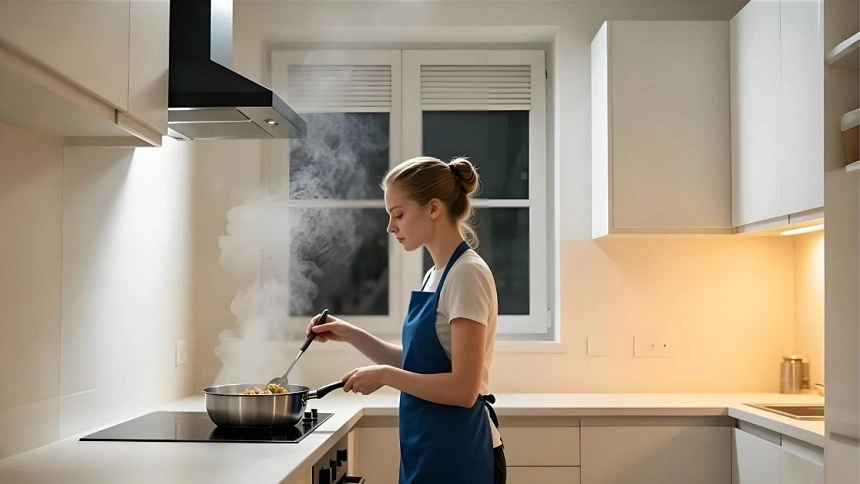
Daily cooking, especially in closed, poorly ventilated spaces, produces toxic kitchen fumes. These invisible pollutants gradually harm the health of every family member.
Even with modern kitchen appliances, most households lack effective fume removal solutions. Unclean range hood filters, long-term gas stove use and high-temperature frying all bring hidden health risks.
This article breaks down the dangers of kitchen fumes, their health impacts, and practical ways to protect your family.
What Exactly Are Toxic Kitchen Fumes?
Cooking fumes are more than just annoying smoke and food smells. They are a mix of harmful chemical pollutants.
Frying, grilling, baking and gas stove burning release PM2.5 particles, volatile organic compounds, carbon monoxide and nitrogen dioxide.
Do not be fooled by the savory aroma of sizzling food. The smoke and fumes linger in indoor air for a long time.
These ultra-fine particles are tiny enough to bypass respiratory defenses. They enter the lungs directly and even flow into the bloodstream.
Gas stoves are one of the main sources of indoor pollution. Studies show that unventilated kitchen air can be as polluted as busy city center outdoor air.
Long-term accumulation of these gases triggers acute discomfort and causes chronic organ damage over time.
Key Health Hazards of Long-Term Fume Exposure
Many home cooks are exposed to kitchen fumes every day without noticing the slow damage. These pollutants affect multiple body systems.
Respiratory System Damage
This is the most common health issue. Long-term inhalation of cooking pollutants irritates the throat and lungs. It easily causes coughs, asthma and recurring respiratory inflammation.
Children and people with sensitive respiratory systems are more prone to allergies and breathing problems in fume-filled kitchens.
Cardiovascular Risks
Fine PM2.5 particles do not stay only in the lungs. They penetrate the blood circulation.
Continuous exposure raises the risk of high blood pressure, vascular inflammation, heart disease and stroke.
Cognitive & Neurological Impairment
Latest medical research confirms that long-term inhalation of cooking toxins affects brain health.
Persistent indoor air pollution increases the risk of neurodegenerative diseases and weakens long-term cognitive function.
Elevated Cancer Risk
High-temperature cooking with common edible oil releases harmful PAHs and aldehydes, both of which are carcinogenic.
Occasional cooking poses little threat. But daily cooking in unventilated spaces greatly raises long-term cancer risks.
Main Sources of Kitchen Fume Pollution
To reduce pollution effectively, you first need to identify where kitchen fumes come from.
Gas stoves: Emit continuous carbon monoxide, nitrogen dioxide and formaldehyde during combustion.
High-temperature frying: Overheated cooking oil produces massive toxic smoke and fine particles.
Grilling and toasting: Burnt food residue releases carbon particles and harmful hydrocarbons.
Dirty kitchen appliances: Accumulated grease and food residue burn repeatedly while cooking, creating extra smoke and pollutants.

Effective Ventilation Tips for Home Kitchens
Good ventilation is the core of reducing kitchen fume harm. These simple methods work for all family kitchens.
Use range hoods correctly
Turn on the range hood throughout the entire cooking process. Make sure it vents air outdoors instead of just circulating indoor air.
Clean grease filters regularly. Blocked, dirty filters drastically reduce fume removal efficiency.
Open windows and exhaust fans
Open kitchen windows while cooking to form cross ventilation. Turn on exhaust fans to quickly discharge floating smoke and particles.
Equip an air purifier
Air purifiers with HEPA and activated carbon filters effectively remove PM2.5, peculiar smells and toxic gases, improving indoor air quality fast.
Switch to electric stoves
Induction stoves and electric stoves produce no gas combustion emissions. They greatly cut down indoor air pollution at the source.

Safe Cooking Habits to Reduce Toxins
Small daily cooking habits can greatly lower fume production.
Cover pots and pans with lids to reduce vapor and smoke overflow.
Avoid overheating cooking oil. Smoking oil produces highly toxic fumes.
Clean stoves, countertops and range hoods frequently to remove residual grease.
Choose low-temperature cooking methods like steaming and boiling when possible.
Prevent food charring, as burnt food creates more carcinogenic substances.
Long-Term Benefits of Clean Kitchen Air
Improving kitchen air quality brings far more benefits than just removing odors.
Clean indoor air relieves seasonal allergies and improves sleep quality. It creates a safer living environment for kids and pets.
It also encourages healthier cooking habits. You will tend to choose lighter, low-temperature cooking methods for better long-term health.
Final Thoughts
Cooking warms family life, but unmanaged kitchen fumes quietly damage health.
These invisible pollutants cause cumulative harm that cannot be ignored. Simple ventilation upgrades and good cooking habits can greatly reduce exposure risks.
Every time you cook, focus not only on delicious food, but also on the air you breathe. Protecting kitchen air quality is the easiest way to guard your family’s health.