

For seventeen years, the American College of Sports Medicine held firm on its resistance training guidelines. In 2026, it finally updated them — and the changes challenge some of the most deeply held beliefs in the fitness industry. The new message is surprisingly simple: stop chasing the perfect program, and just do something consistently.
The Old Advice Was Not Wrong — It Was Just Overcomplicated
Previous ACSM guidelines ran several pages long, with precise recommendations on sets, reps, rest periods, and progression models. The assumption was that more detailed guidance would produce better results. The research, however, told a different story.
Study after study found that the people who benefited most from strength training were not the ones following optimally designed programs. They were the ones who showed up regularly, week after week, year after year — even when the program was imperfect, even when the gym was crowded, even when life got in the way.
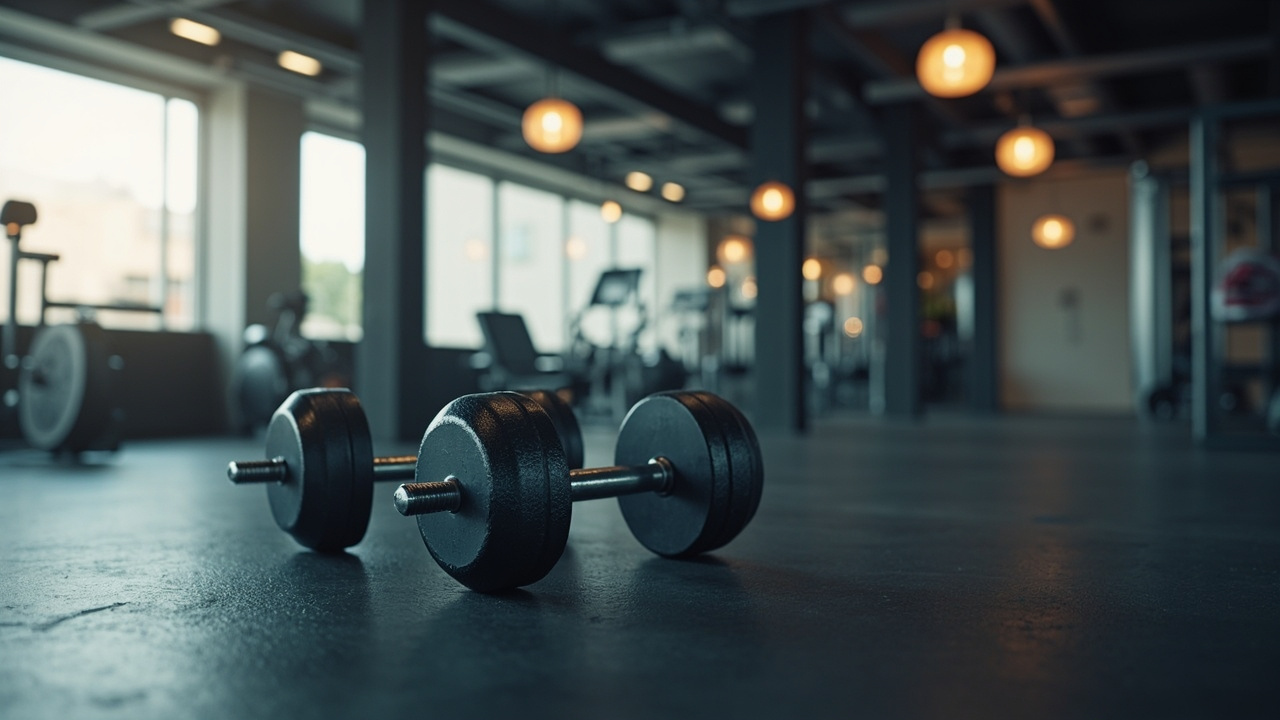
The 2026 guidelines reflect this reality. The new Position Stand explicitly states that consistent, moderate resistance training — even with basic tools like body weight, resistance bands, or light dumbbells — produces measurable improvements in muscle strength, hypertrophy, power, and physical performance for most people.
What the New Guidelines Actually Recommend
The 2026 ACSM Position Standcondenses its recommendations into a few evidence-based principles that are far more accessible than previous versions:
- Any resistance training counts. Home-based routines, body weight exercises, resistance bands, and dumbbells all qualify. You do not need a fully equipped gym to build meaningful strength and muscle.
- Consistency beats optimization.
The guidelines explicitly note that a person following a simple, consistent program will typically outperform someone cycling through complex periodized programs they keep abandoning.
- Start lighter than you think necessary. Beginning with load that feels almost too easy — particularly for older adults or people returning after a long break — reduces injury risk and improves long-term adherence more than starting aggressively.
- Movement variety matters more than exercise complexity. Training through a range of motions (push, pull, hinge, squat, carry) delivers most of the benefits of more elaborate split routines, with less scheduling complexity.
- Recovery is not optional. The new guidelines emphasize that muscles grow during rest, not during training. Training frequency recommendations now explicitly account for the fact that most people recover better with more rest days than previous guidelines suggested.
Why Simplicity Wins
One of the most robust findings in exercise science is the “compliance ceiling” — the observation that the most optimized training program produces zero results if you never actually do it. A 2019 meta-analysis covering over 3,000 participants found that program complexity was one of the strongest predictors of dropout. The harder a program was to follow, the less likely people were to stick with it long enough to see results.
The fitness industry has a financial incentive to sell complexity. Elaborate programs require coaching, apps, specialized equipment, and ongoing subscription content. Simple programs do not. The 2026 ACSM guidelines push back against this by making it clear that the single most effective training variable is one that costs nothing: showing up regularly.
This does not mean all complexity is useless. Athletes and advanced trainees with specific performance goals benefit from more sophisticated programming. But for the majority of people exercising for general health and fitness — which is the population these guidelines target — simple and consistent beats complex and sporadic every time.

Building a Program That Actually Lasts
Based on the 2026 guidelines, the most durable approach to resistance training follows a few practical principles:
Choose a format you can maintain. If you travel frequently, a program requiring a fully equipped gym will fail you. Bodyweight circuits, resistance bands, or a pair of adjustable dumbbells serve people whose schedules are unpredictable. If you always have access to a gym, more elaborate tools are available — but still not necessary for excellent results.
Focus on big movement patterns. Squat, hinge, push, pull, and carry cover the essential movement vocabulary your body needs. You do not need dozens of exercises. Five to eight movements performed with good form, progressively loaded over time, will develop strength and muscle effectively.
Schedule training around your life, not life around training. The people who maintain strength training longest are those who built it into an existing routine rather than trying to carve out a separate block of time that keeps getting displaced by work, family, or social obligations.
Accept that progress is not linear. Strength gains come in steps, not a smooth curve. Plateaus are normal. The guidelines emphasize that biological adaptation requires patience — and that abandoning a working program because results plateau is one of the most common mistakes people make.
The Bottom Line
The 2026 ACSM Position Stand is a quiet but significant shift in how exercise science thinks about fitness programming. It acknowledges that the enemy of good is not bad program design — it is the gap between what you planned to do and what you actually did. A program you will actually do, consistently, beats a theoretically perfect program that lives mostly in your head as something you keep meaning to start.
You do not need the perfect routine. You need the routine you will actually keep.